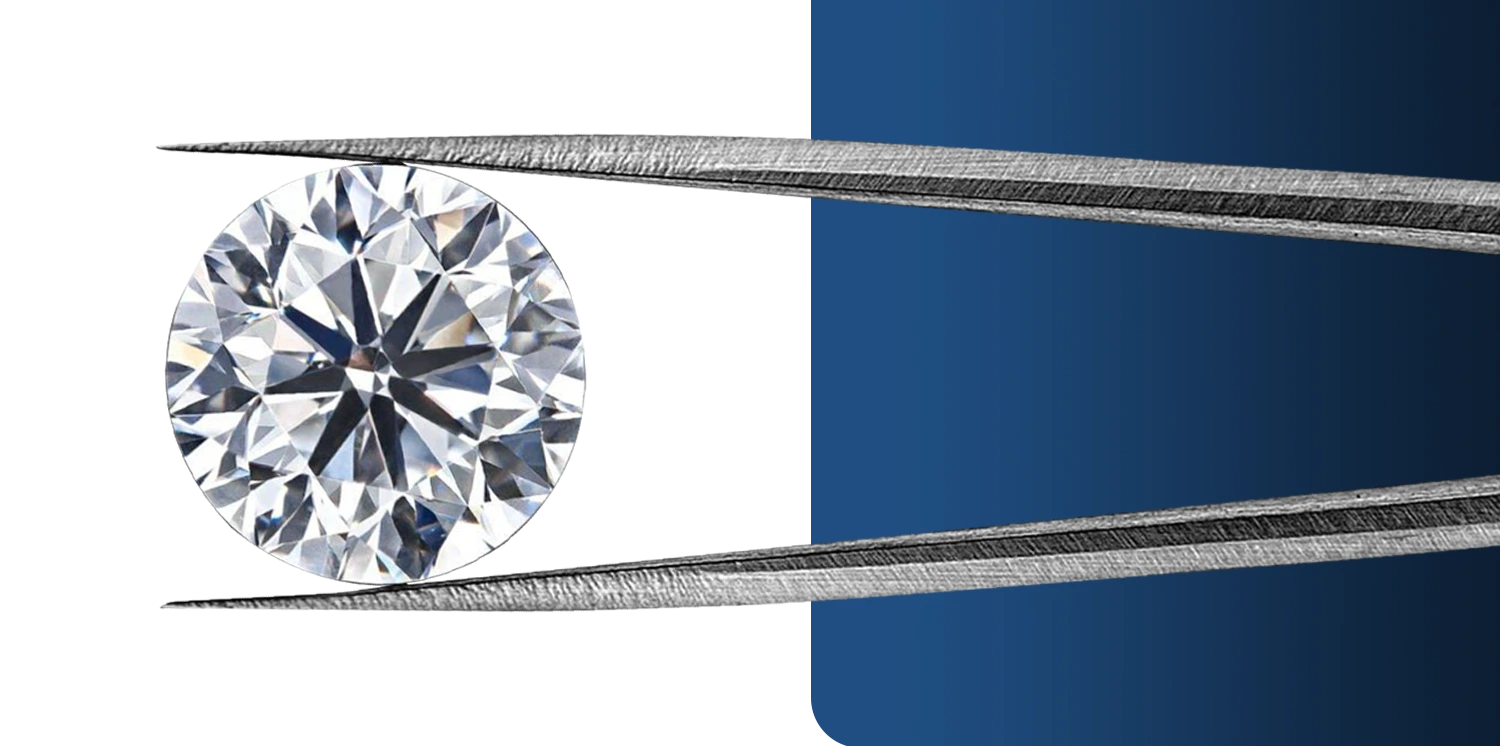
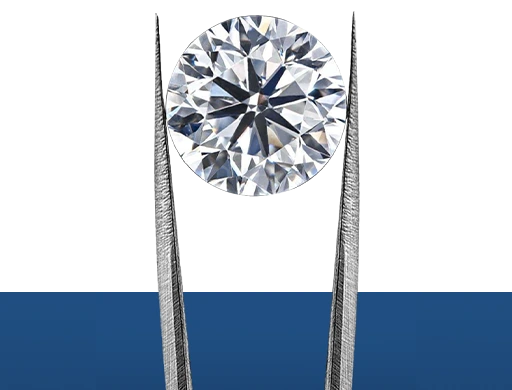
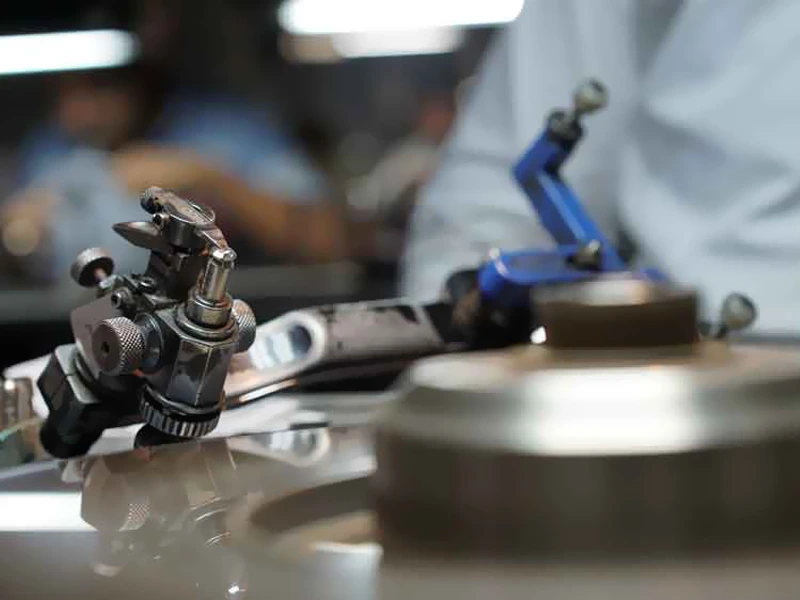
As a renowned manufacturer, Adesh Export aims high, setting and surpassing global standards for diamond production. This is made possible due to our constant investment in state-of-the-art machinery and technology, and maintaining fully equipped facilities. Our most valuable asset is our exceptionally talented work force and uniquely skilled craftsmen.Every member that is a part of the Adesh Export entourage is a highly skilled and experienced professional with a rich heritage of tradition and technique.
At Adesh Export we specialize in Star / Melee / +11 to 5.00 cts polish diamonds with GIA, IGI, & HRD Certification, from FL to I3 clarity, D-Z colors, in numerous shapes. All of our diamonds passes through a rigorous quality control unit where our qualified craftsmen assess it finely. Our skilled artisans works keenly to deliver flawless quality diamonds that comes into perfect diverse shapes, various colors and clarities.
Crafting with Devotion
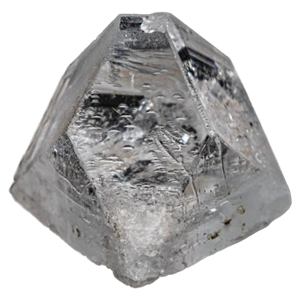
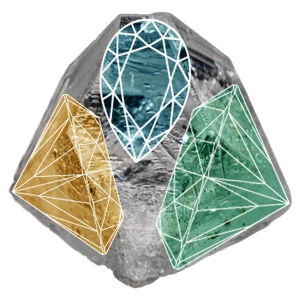
Sorting
Planning
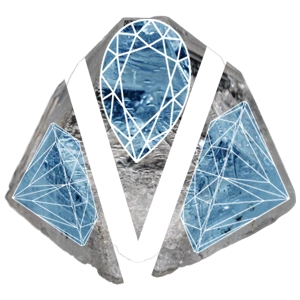
Sawing
Shaping
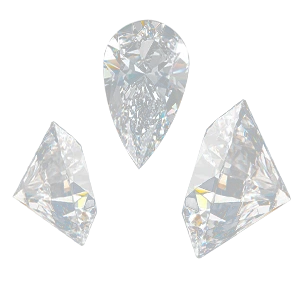
Polishing
The 4C's of Diamond
Cut
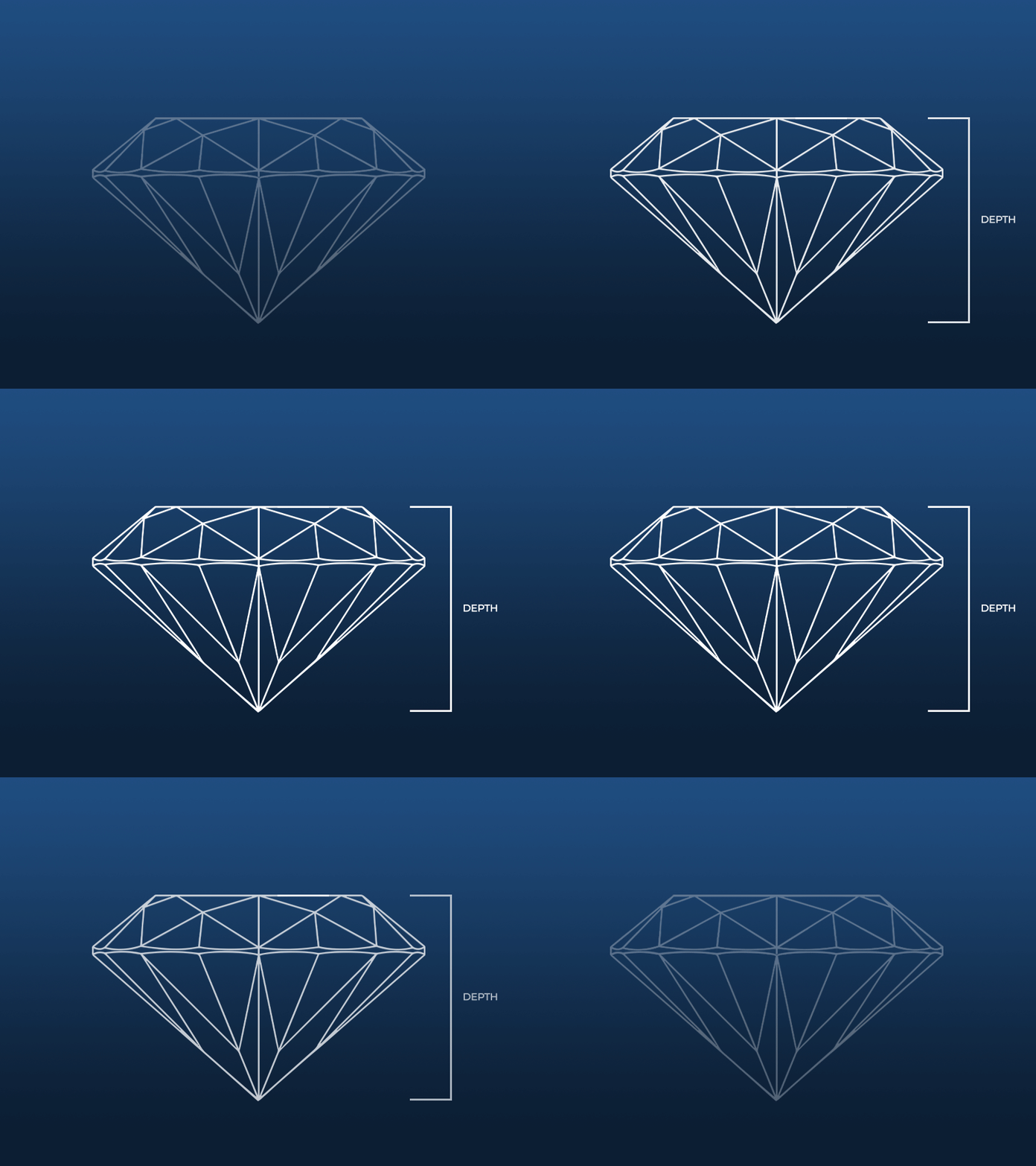
The cut of the diamond defines its sparkle. The shine of the diamond depends on how well it has been cut and how many facets it has. The better the cut, the better its shine. Because cut is so important, several grading methods have been developed to help consumers determine the cut of a particular diamond.
In general, these grades are: 1. Ideal 2. Shallow 3. Deep 4. Very Shallow 5. Very Deep
In a poorly cut diamond, the light that enters through the table reaches the facets and then ‘leaks’ out from the sides or bottom of the diamond rather than reflecting back to the eye. Less light reflected back to the eye means less brilliance. A better proportionately faceted diamond, the more the light gets reflected to the viewer’s eye.
Carat
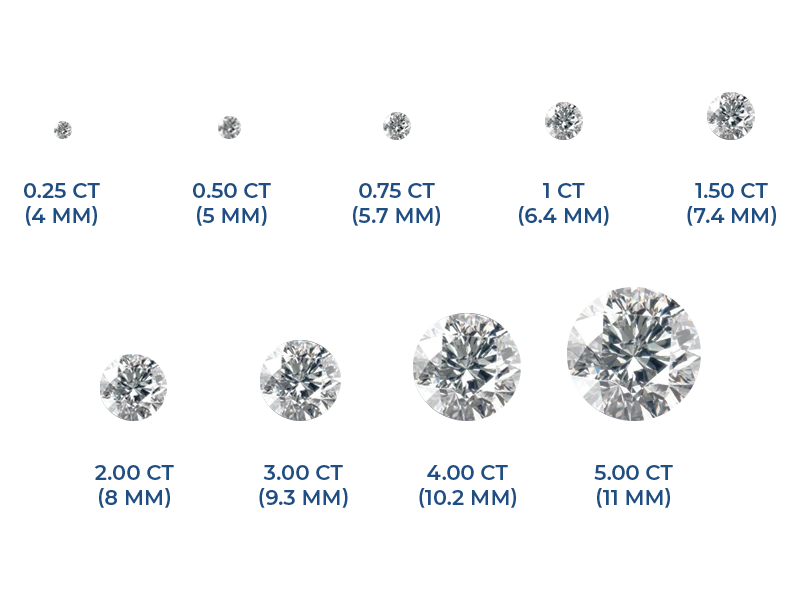
The size of the diamond. One carat is made up of 100 points and 5 carats make one gram. (Keep In Mind: Don’t mix “carat weight” with “karat,” the method of determining the purity of gold.) The process that forms a diamond happens only in very rare circumstances, and typically the natural materials required are found only in small amounts. That means that larger diamonds are uncovered less often than smaller ones. Thus, large diamonds are rare and have a greater value per carat. For that reason, the price of a diamond rises exponentially to its size.
Clarity
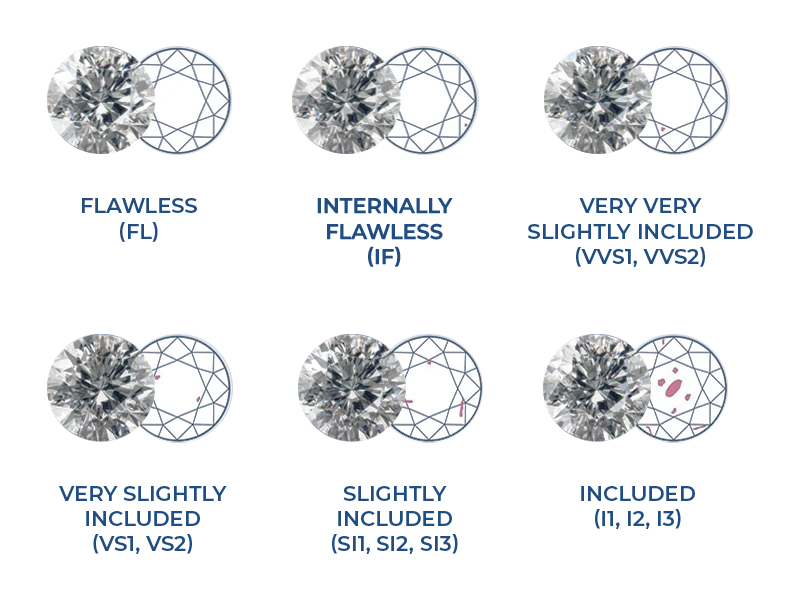
This criterion tells us how the clear the stone is from impurities. Impurities like Crystal (bubbles), Feathers (cracks), Natts (Black inclusion), and etc. If you think about the incredible amount of pressure it takes to create a diamond, it’s no surprise that most diamonds have flaws.Hence a chart is used to measure the clarity of the diamond.
F :Flawless: No internal or external flaws. Extremely rare.
IF :Internally Flawless: no internal flaws, but some surface flaws. Very rare.
VVS1-VVS2 :Very Very Slightly Included (two grades). Minute inclusions very difficult to detect under 10x magnification by a trained gemologist.
VS1-VS2 :Very Slightly Included (two grades). Minute inclusions seen only with difficulty under 10x magnification.
SI1-SI2 :Slightly Included (two grades). Minute inclusions more easily detected under 10x magnification.
I1-I2-I3 :Included (three grades). Inclusions visible under 10x magnification AS WELL AS to the human eye.
Color
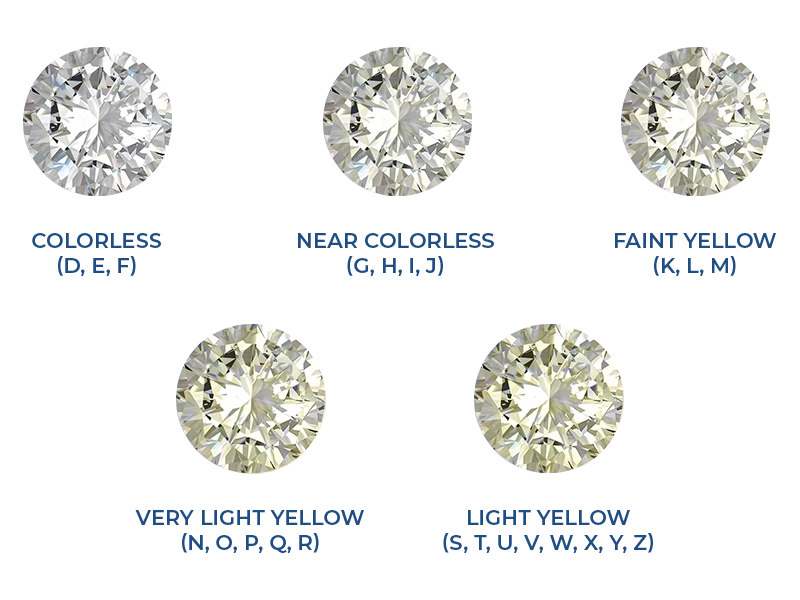
“Color” refers to the presence or absence of color in white diamonds. Color is a result of the composition of the diamond, and it never changes over time. The color of a diamond ranges from D to Z, D being the whitest shade. Because a colorless diamond, like a clear window, allows more light to pass through it than a colored diamond, colorless diamonds emit more sparkle and fire. The formation process of a diamond ensures that only a few, rare diamonds are truly colorless. Thus the whiter a diamond’s color, the greater its value.
(Keep In Mind: Fancy color diamonds do not follow this rule. These diamonds, which are very rare and very expensive, can be any color from blue to green to bright yellow. They are actually more valuable for their color.)
Diamond Fluorescence
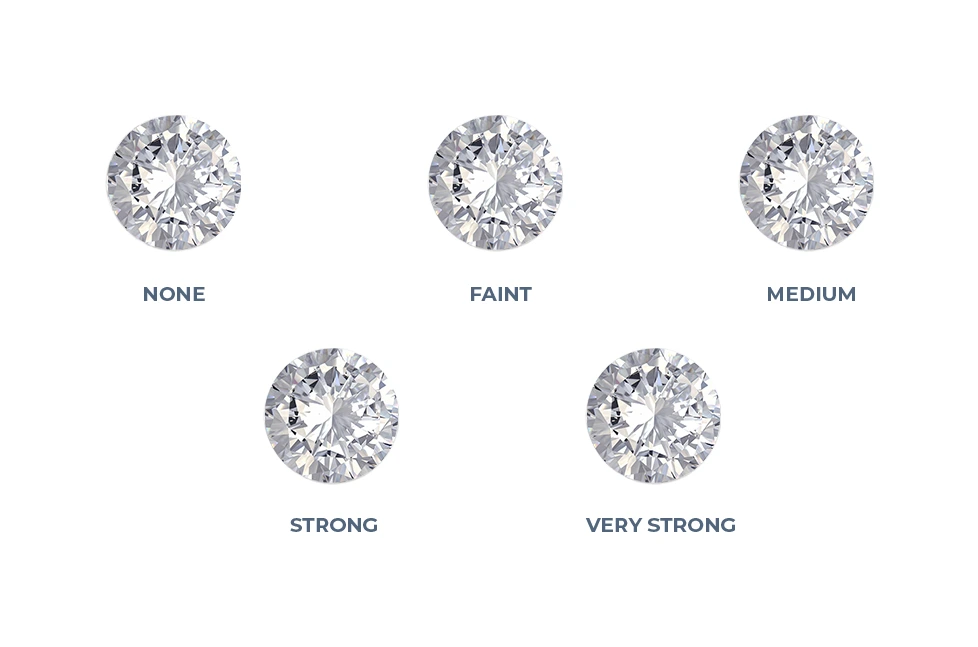
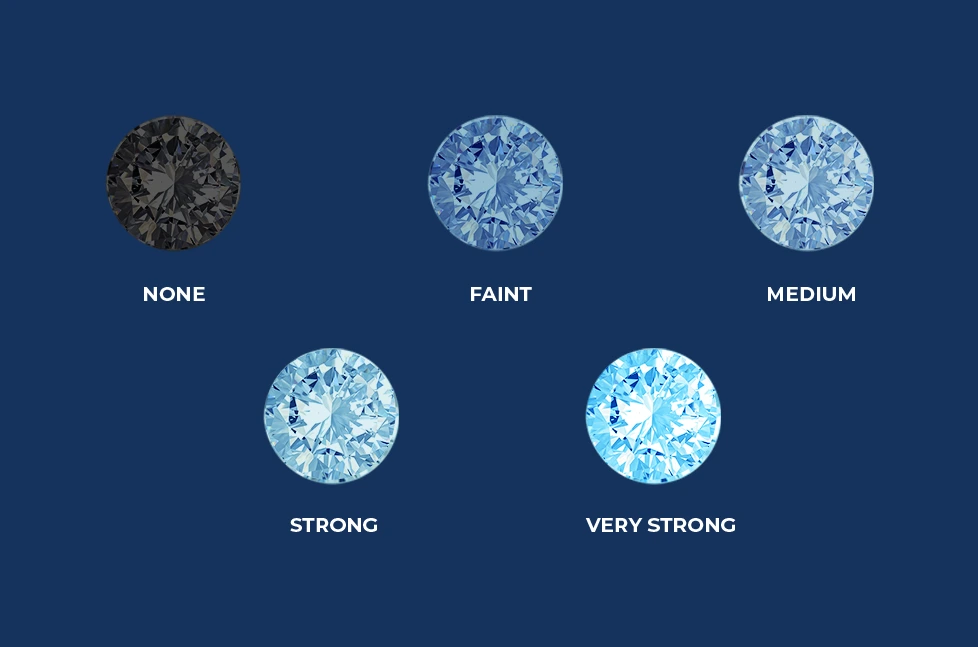
Fluorescence is a phenomenon where certain diamonds emit a soft glow when exposed to ultraviolet light, such as the lighting found in clubs. While it’s generally not noticeable under normal lighting, it can affect the diamond’s appearance in UV light. Some gemologists prefer diamonds without this effect, but others appreciate its unique aesthetic. Ultimately, it comes down to personal preference.
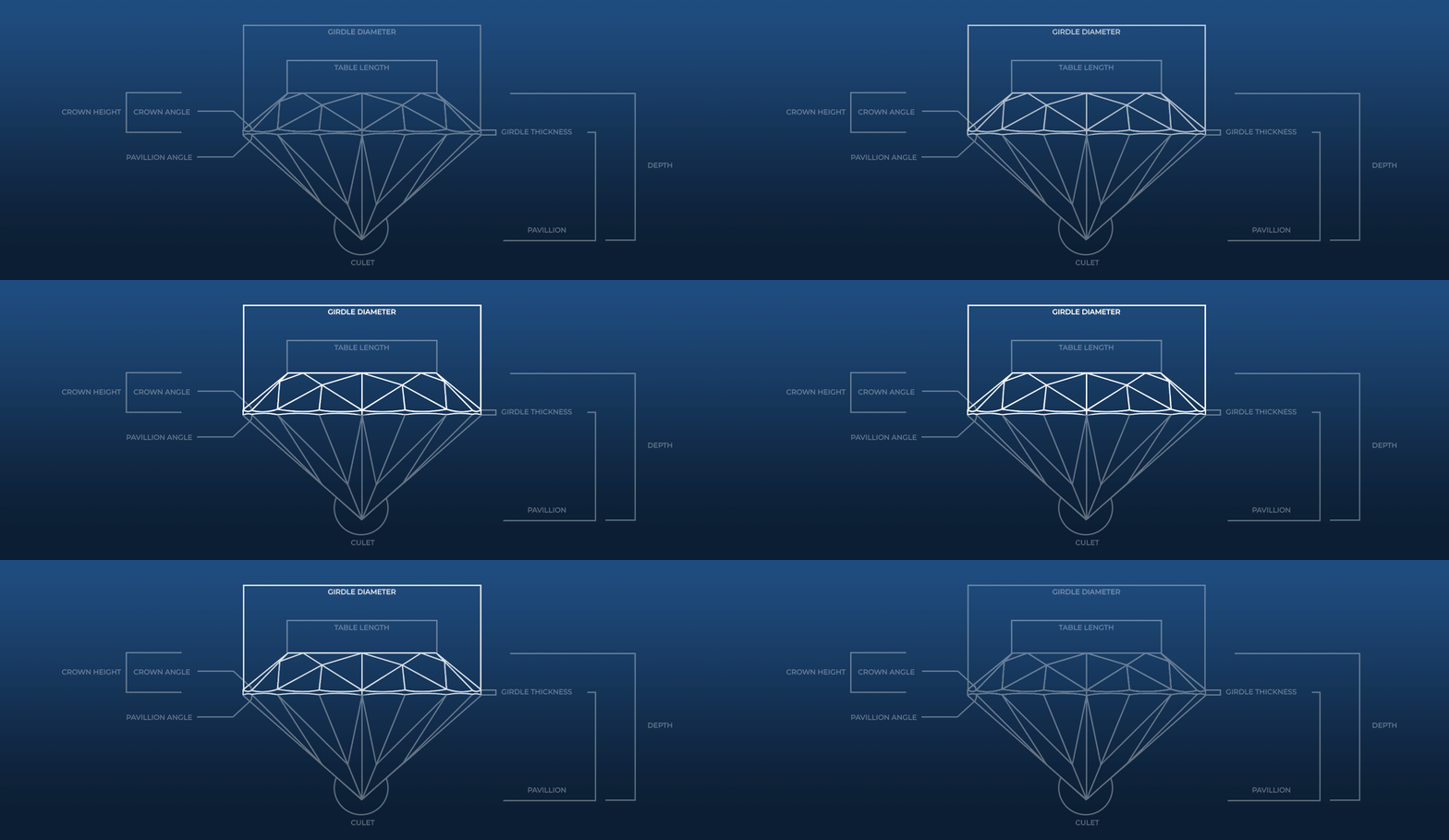
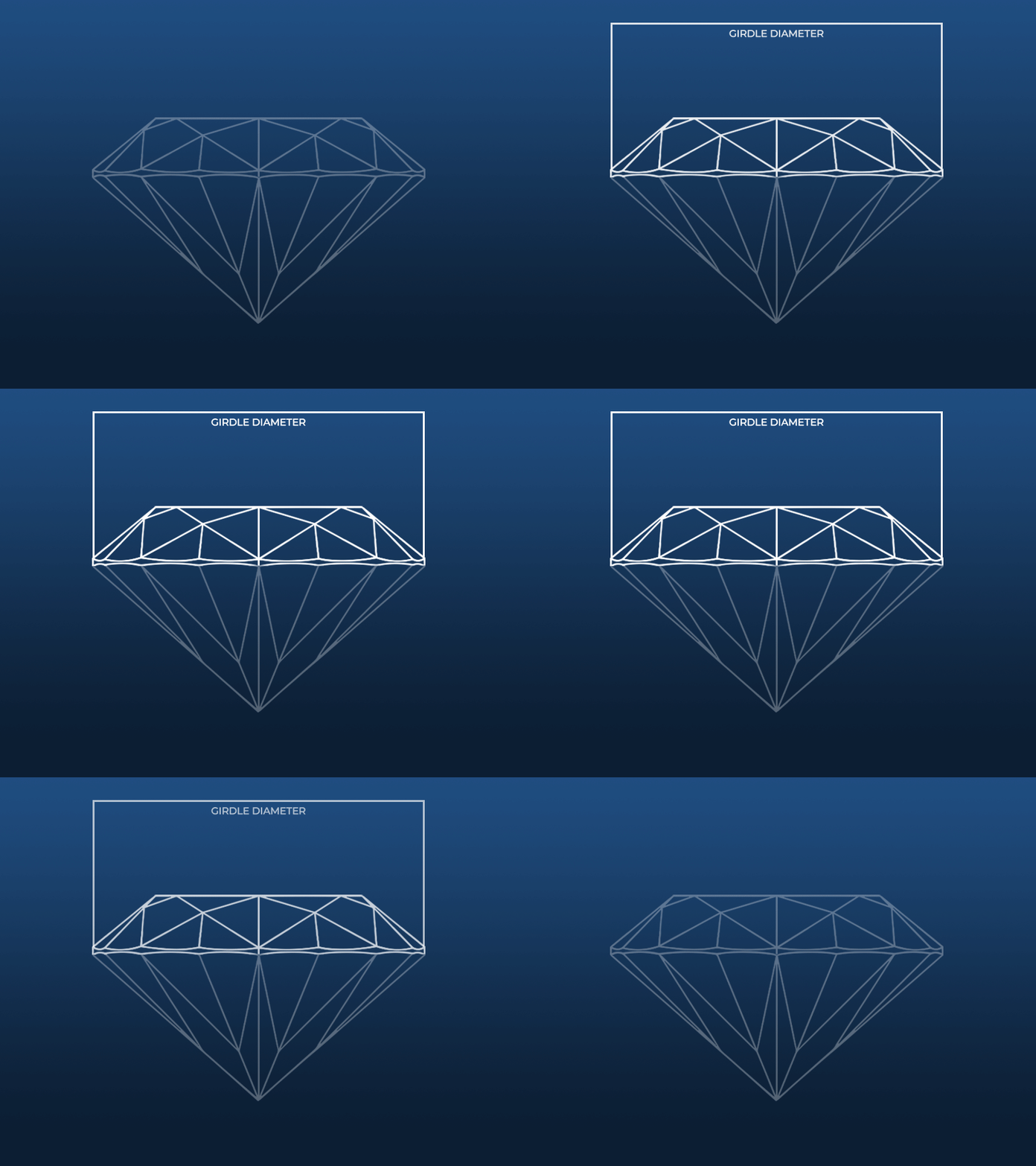
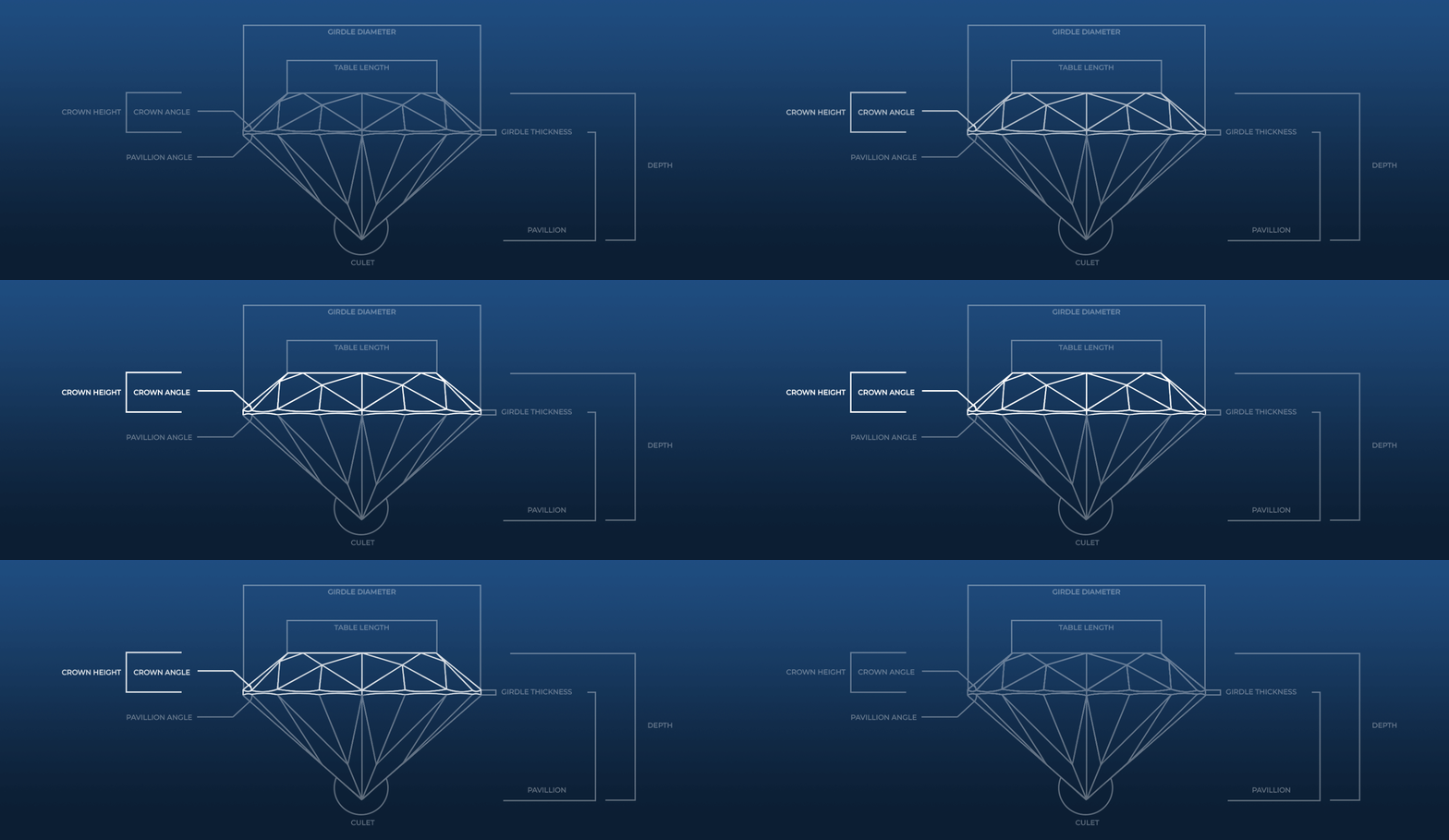
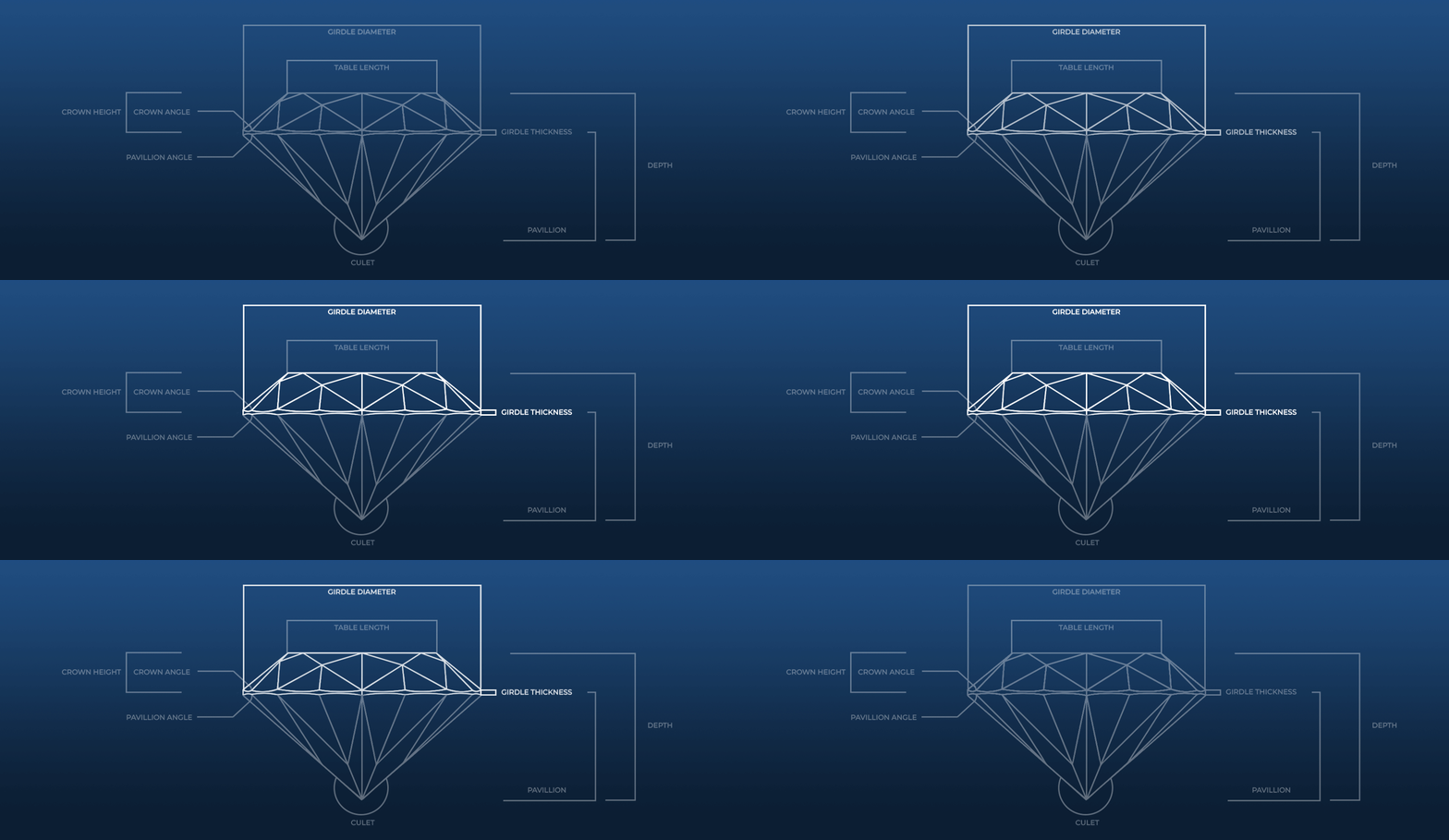
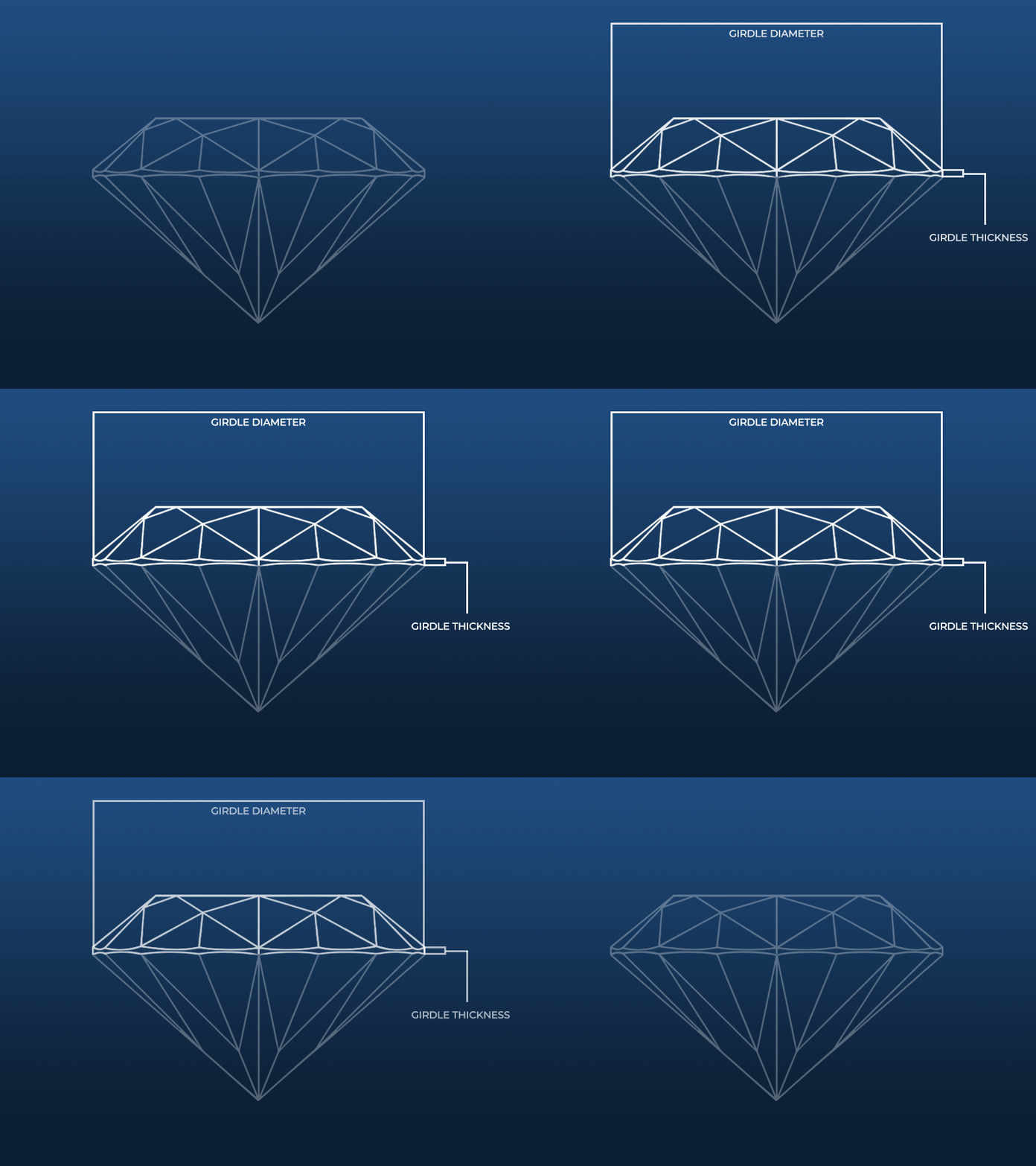
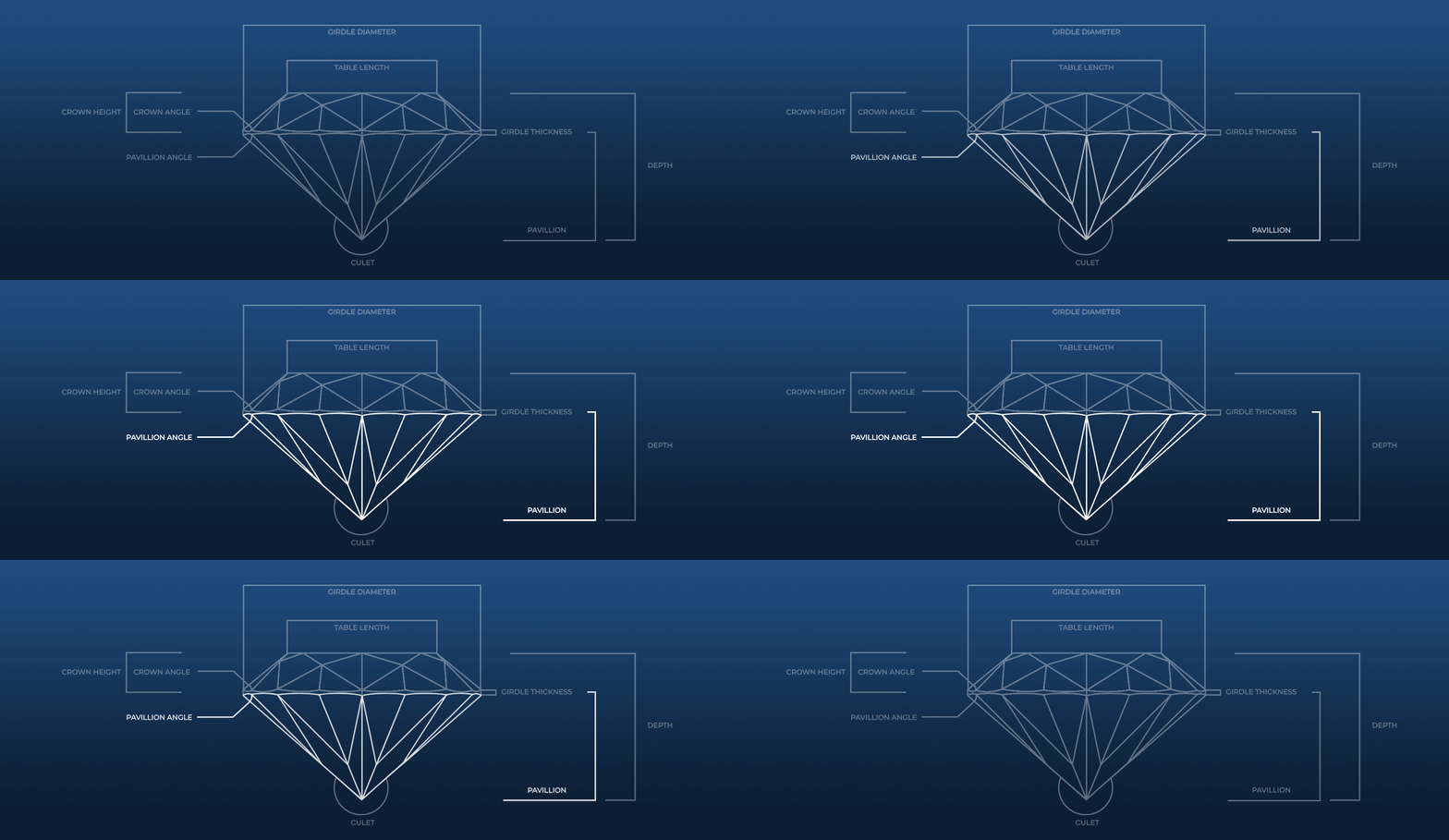
The diameter of the diamond, measured from one edge of the girdle to the opposite edge, represents the diameter and is a key dimension used in assessing the stone’s overall size and proportion.
Table
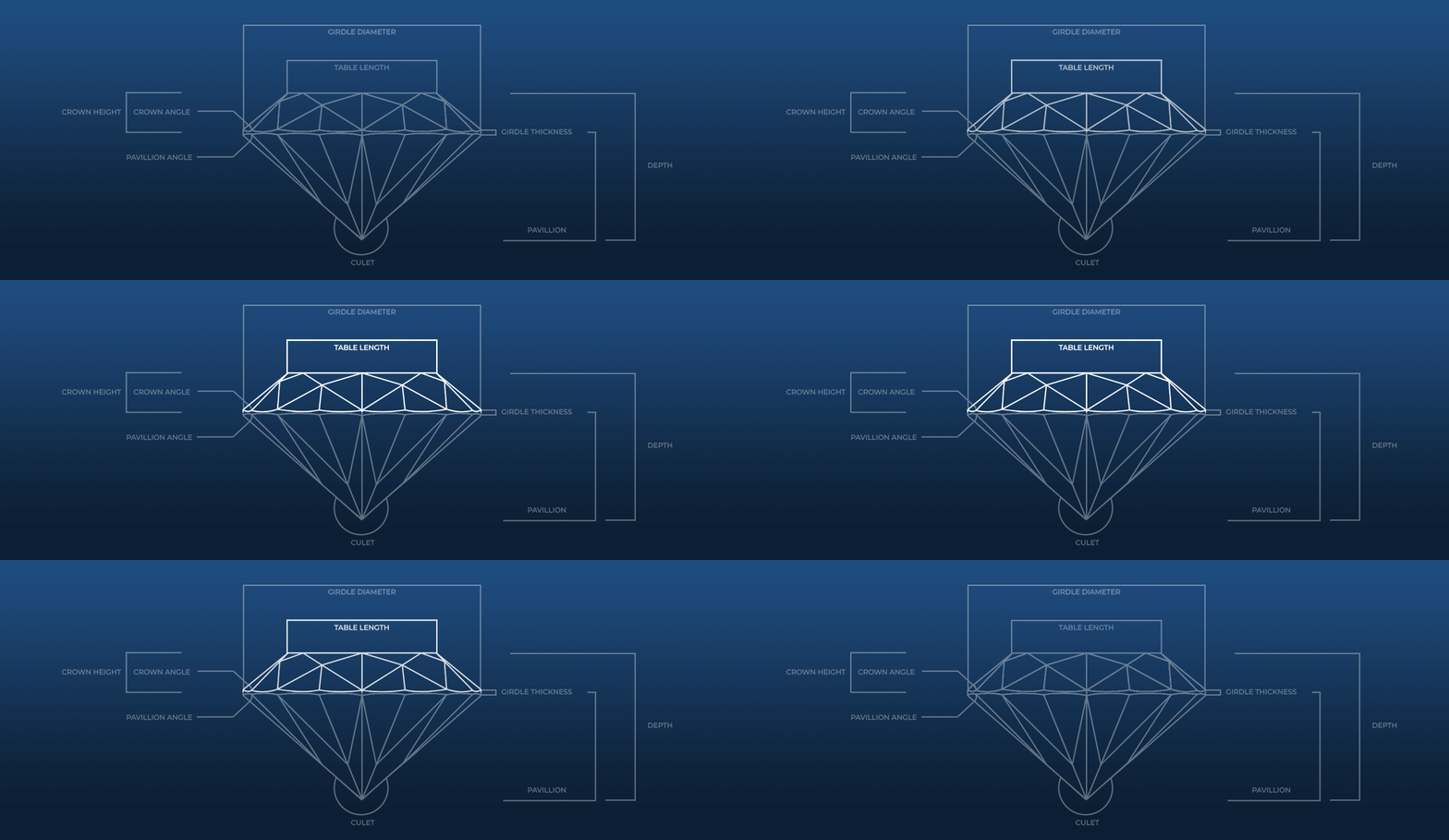
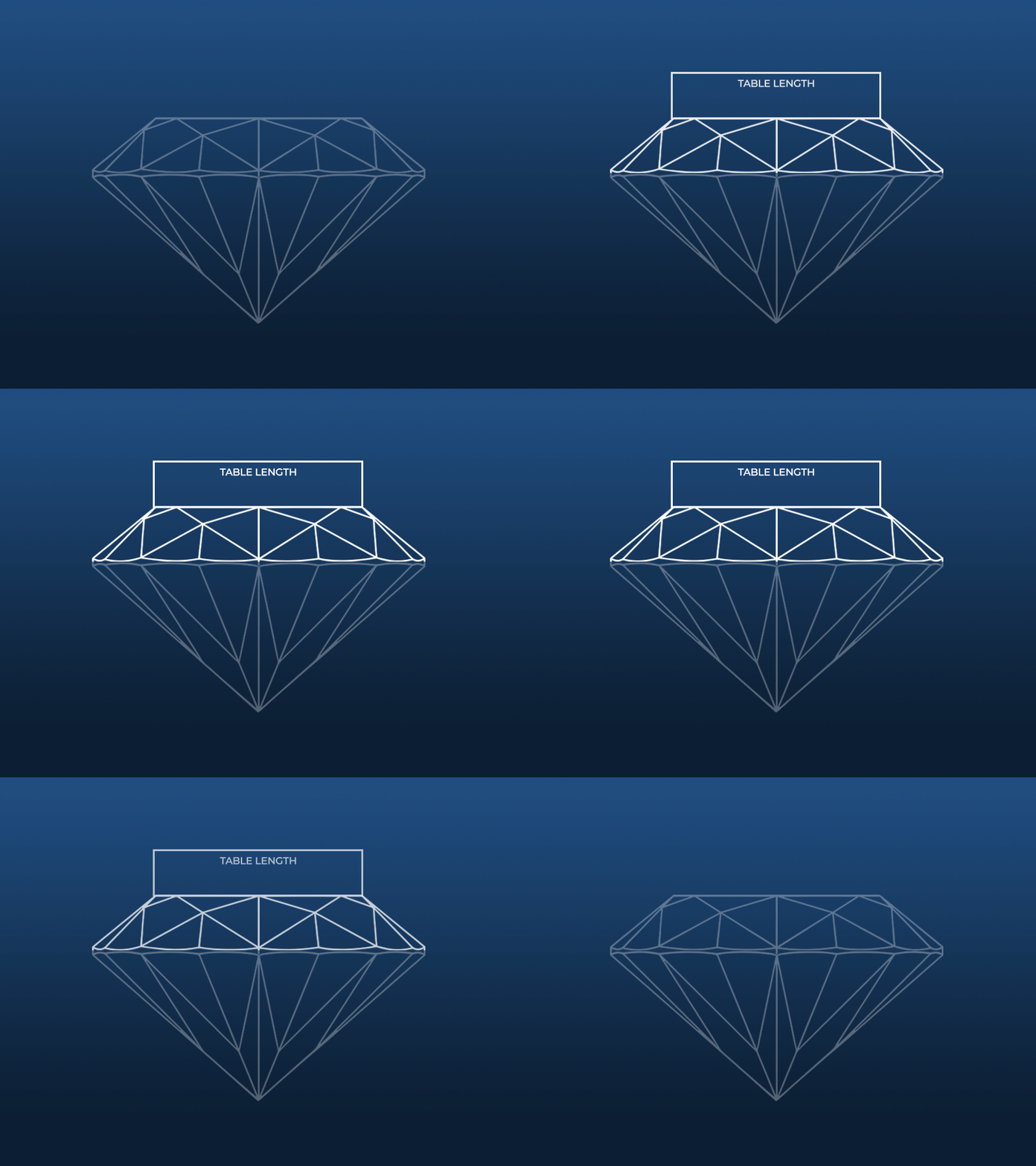
This refers to the large, flat facet located at the top of a diamond, known as the table, which plays a crucial role in allowing light to enter the stone and contributes significantly to its brilliance and sparkle.
Crown
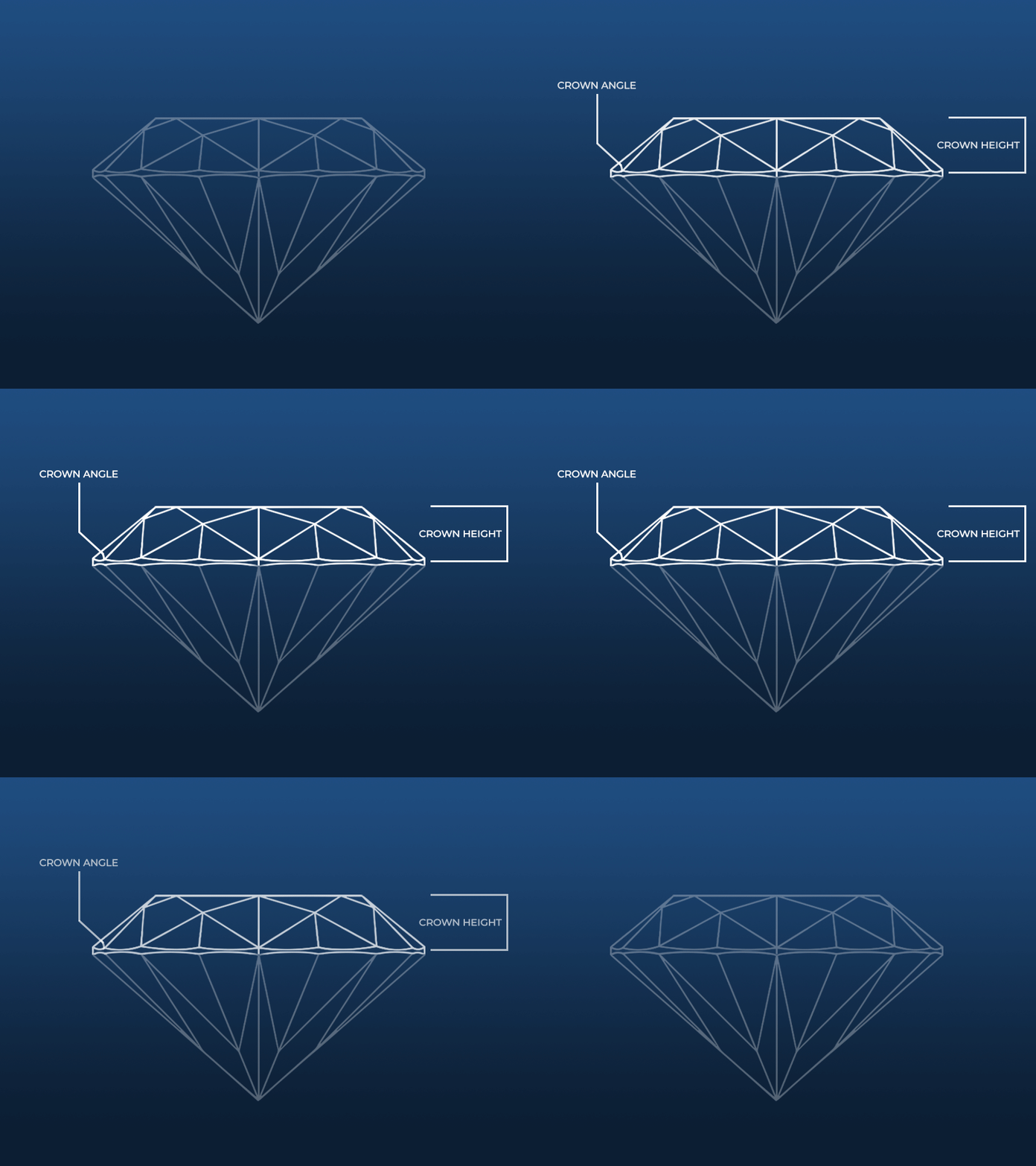
The upper portion of a cut gemstone, positioned above the girdle, which includes the table and crown facets that affect the stone’s light performance.
Girdle
The narrow rim of a diamond that separates the crown from the pavilion. It is the largest diameter to any part of the stone.
Pavillion
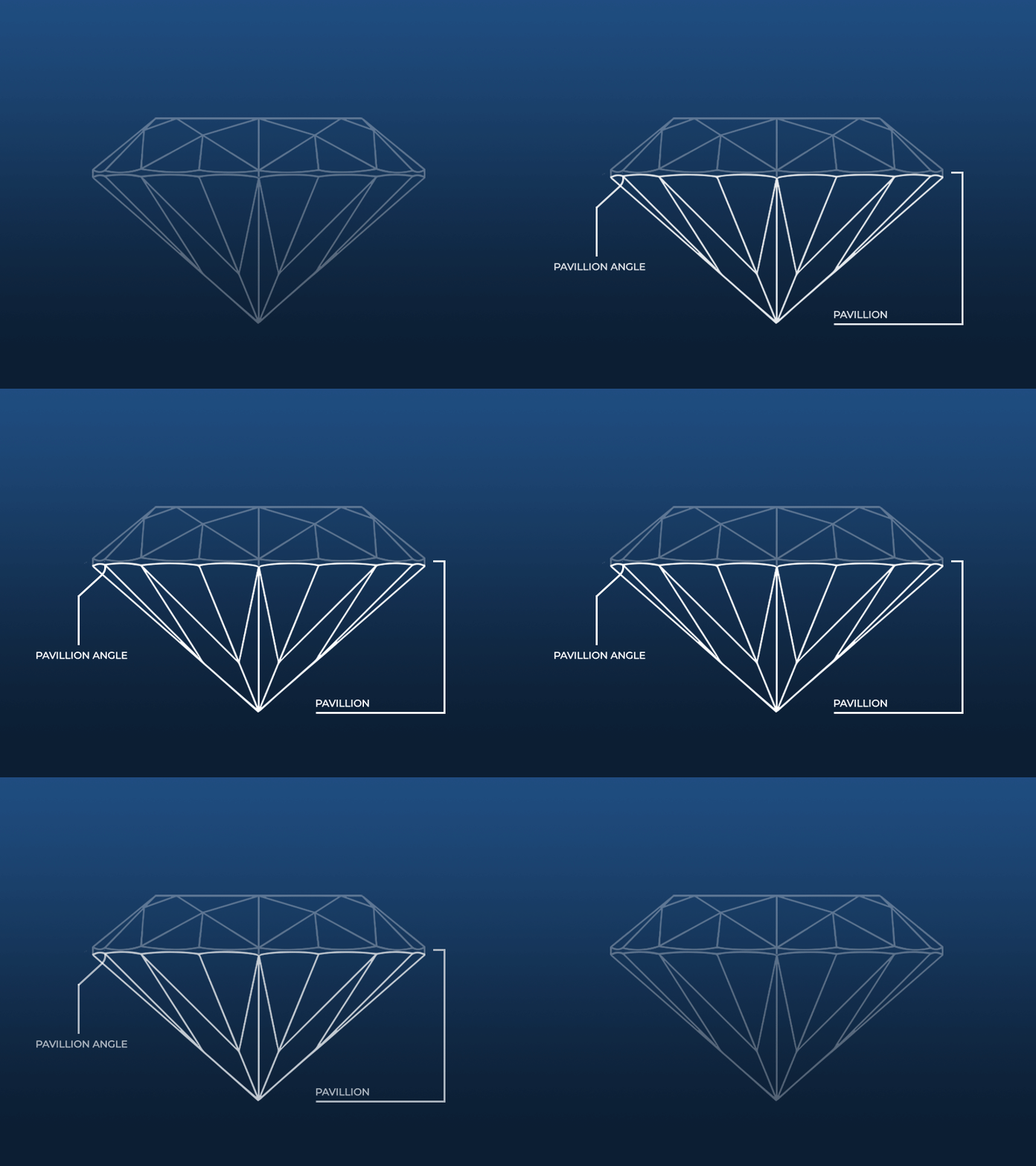
The lower portion of the diamond, located below the girdle, is known as the pavilion, and is sometimes referred to as the base of the stone.
Culet
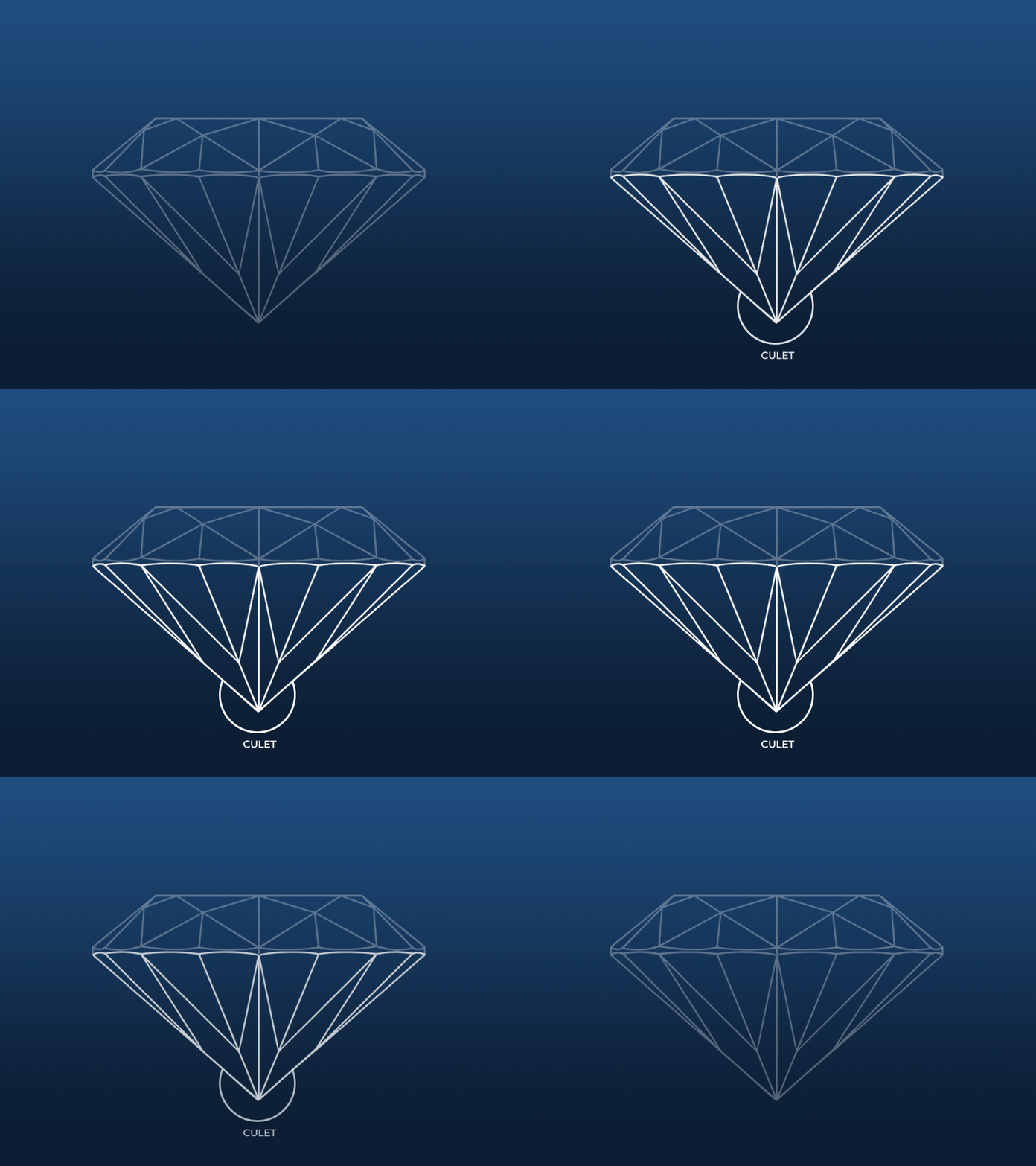
The tiny facet located at the pointed bottom of the pavilion, which is the lower portion of a cut gem situated below the girdle, is known as the culet.
Depth
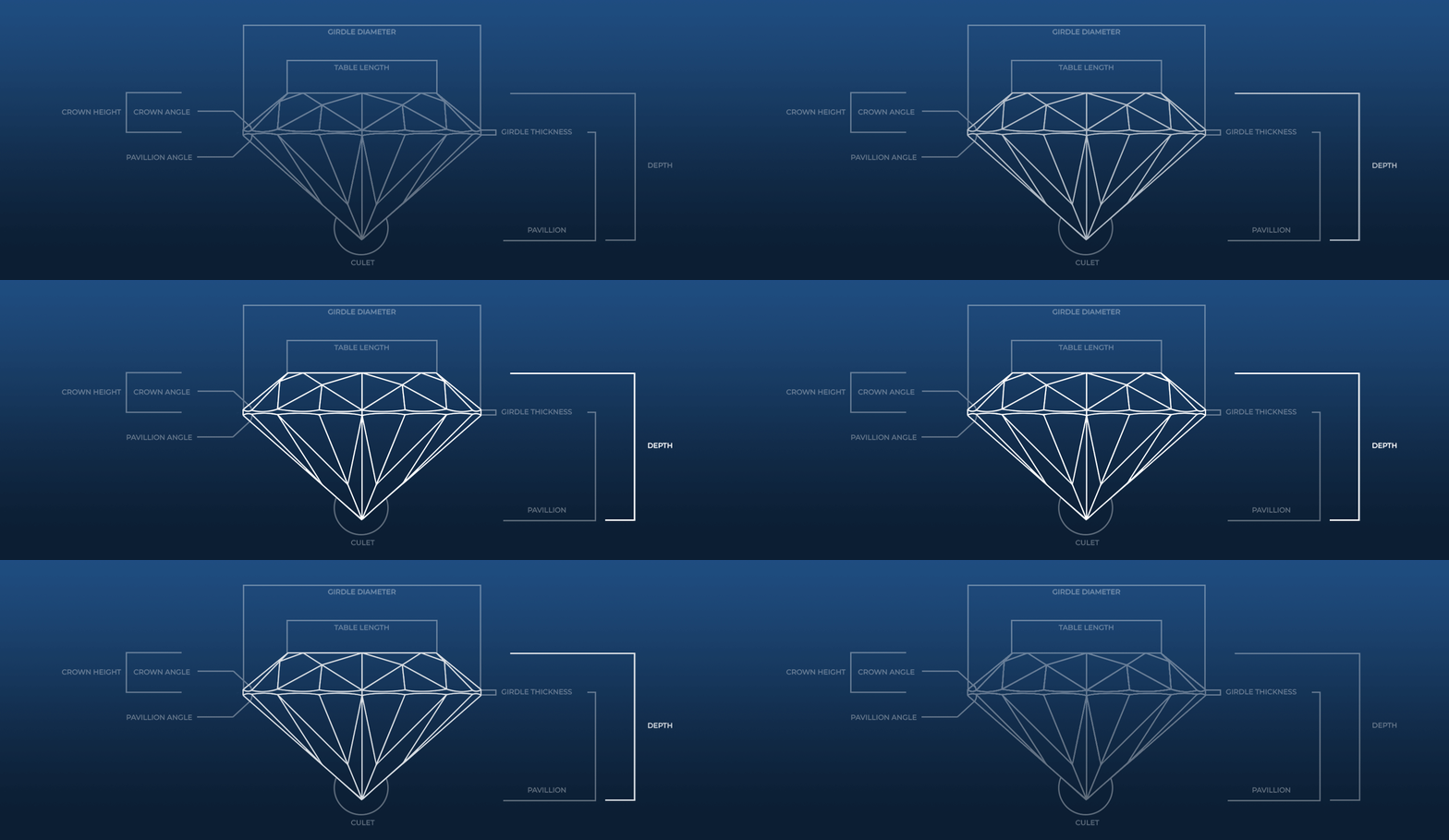
The height of a gemstone, measured from the culet at the bottom to the table at the top, is a key dimension in determining the stone’s proportions.